The pool finish is the first thing anyone sees and the last thing most homeowners research before choosing one. It determines water color, surface feel, maintenance frequency, and how long your pool goes between resurfacing jobs. Pick the wrong one and you are looking at staining, roughness, or a full redo within a decade. Pick the right one and you get decades of clean, low-maintenance water with a surface that still looks sharp.
This guide covers every major swimming pool finish type, what each one actually delivers in terms of durability and cost, and the framework for deciding which one fits your pool, your budget, and your usage. If you want to see the options in detail before deciding, The Pool Specialist’s finish selection guide walks through each option side by side.
The Three Categories of Pool Finishes
All swimming pool surface options fall into one of three categories: plaster, aggregate (which includes quartz and pebble), and tile. Each sits at a different point on the cost-durability-comfort spectrum, and understanding that spectrum is the foundation for making the right choice.
Plaster Pool Finishes
Standard pool plaster is white cement mixed with marble dust. It is the oldest pool finish still in wide use, and its primary advantage is upfront cost. Plaster finishes typically run $2,500 to $5,000 for an average residential pool, or roughly $4 per square foot.
The trade-off for that lower entry price is lifespan and maintenance sensitivity. Plaster lasts 7 to 10 years under normal conditions. It is porous, which means it stains more visibly than aggregate options, etches more easily from chemical imbalances, and shows surface wear comparatively fast. Calcium deposits, algae staining, and roughness become noticeable issues after five or six years in most climates.
Colored plaster extends the visual options beyond standard white and gives the water a warmer, more distinctive tone, but the base material is still marble aggregate in cement, so durability is essentially the same as standard plaster regardless of color.
Best for: Homeowners on a tighter upfront budget who understand they will resurface sooner and maintain water chemistry carefully to extend the finish life.
Not ideal for: High-use pools, pools in climates with aggressive water chemistry, or any situation where a 15-plus-year finish life is the goal.
Quartz Pool Finishes
Quartz is polymer-modified cement with colored quartz aggregate mixed in. The quartz aggregate is non-porous and significantly harder than the marble dust in standard plaster, which changes the performance profile considerably.
A quartz finish lasts 12 to 18 years, roughly double the lifespan of standard plaster. It resists staining and etching far better, holds its color longer because the color is carried by the stable quartz aggregate rather than by dye in the cement matrix, and feels smooth underfoot, which matters for families with young children who spend significant time in the water.
Diamond Brite is one of the most widely recognized quartz aggregate finishes in the industry, combining quartz with white cement and polymers for a finish that resists etching, staining, and chemical damage at a level plaster cannot match.
Cost runs approximately 20 to 30 percent more than plaster upfront, or $3,500 to $8,000 installed for most residential pools.
Best for: Homeowners who want a significant durability upgrade over plaster without the rougher texture of an exposed pebble finish, and who want a wide range of color options at a mid-range price point.
Not ideal for: Homeowners who prioritize the most natural look and feel above all else, or those who want the maximum possible lifespan before the next resurfacing.
Pebble Pool Finishes
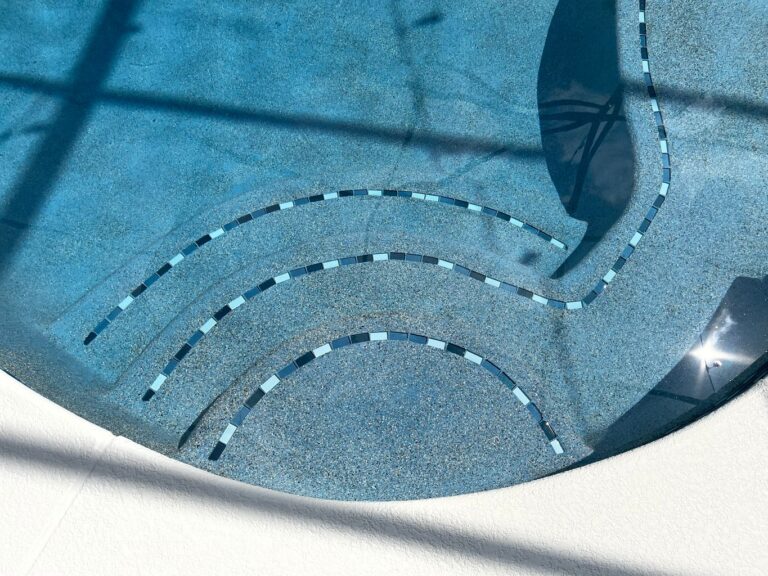
Pebble finishes are fortified Portland cement mixed with natural pebbles, small stones, or decorative aggregate. They sit at the top of the durability range among all pool finish options, with a lifespan of 20 years or more when properly maintained. The aggregate is exposed at the surface, giving the finish a natural, textured appearance that reads as distinctly more premium than plaster or quartz.
The texture is the primary trade-off. Pebble surfaces are rougher than both plaster and quartz. Most adult swimmers adapt quickly, but it is worth noting for households with sensitive-skinned swimmers or young children who spend a lot of time on pool steps and benches.
On the cost side, pebble finishes typically run 40 to 70 percent more than standard plaster upfront. However, once you factor in how many times a plaster pool resurfaces over a 20-year period (typically twice, sometimes three times), the lifetime cost of pebble is consistently lower. One pebble resurfacing versus two or three plaster resurfacings, over the same period, makes pebble the more economical choice long-term despite the higher initial price.
Pebble finishes also deliver the most visually striking water color. The natural aggregate reflects and refracts light differently than a smooth surface, producing the deep blues and greens associated with resort-style pools.
Best for: Homeowners investing in a long-term pool who want the lowest cost of ownership over 20 years, the most durable swimming pool surface available, and the most premium visual result.
Not ideal for: Strict budget buyers focused only on upfront cost, or households where texture sensitivity is a significant concern.
Glass Bead Finishes
Glass bead finishes use small glass beads mixed into the cement matrix, producing a surface that catches light with a shimmer and sparkle that quartz and pebble finishes do not replicate. They are less common than the three primary options but are growing in popularity for resort-style and luxury residential pools.
Durability is comparable to quartz at 12 to 15 years, and cost is similar to pebble finishes, making them a premium choice where the aesthetic effect is the primary driver of the decision.
Pool Finish Comparison at a Glance
| Finish Type | Lifespan | Cost Range (Installed) | Texture | Best For |
| Standard Plaster | 7 to 10 years | $2,500 to $5,000 | Smooth | Budget-first buyers |
| Quartz Aggregate | 12 to 18 years | $3,500 to $8,000 | Smooth | Durability + comfort balance |
| Pebble Aggregate | 20+ years | $8,000 to $15,000+ | Textured | Long-term investment |
| Glass Bead | 12 to 15 years | $8,000 to $14,000 | Smooth to slightly textured | Premium aesthetic focus |
What Actually Drives the Right Choice
The comparison table above covers the technical specs. These four questions determine which one fits your specific situation.
How long are you planning to own the pool? If you are staying in the home for 20-plus years, pebble’s lower lifetime cost and maximum durability make the upfront premium worth carrying. If the pool is part of a home you plan to sell in five to seven years, quartz offers better resale value than plaster without the maximum upfront cost of pebble.
How heavily is the pool used? A pool used daily by a full family in a warm climate degrades any finish faster than a seasonally used pool in a northern market. High-use pools benefit disproportionately from the stain resistance and chemical tolerance of quartz and pebble finishes. Plaster in a high-use context will show wear and staining well before the 10-year mark.
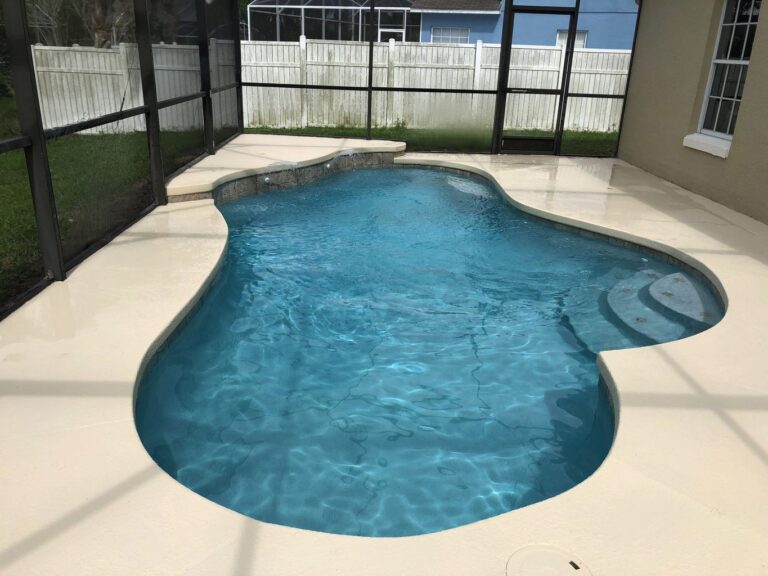
What water color do you want? The finish color directly determines the water color your pool displays. White or light grey plaster produces the classic blue pool look. Deeper grey and blue quartz finishes produce richer, darker water tones. Pebble finishes with natural aggregate produce the deep turquoise and blue-green tones associated with high-end resort pools. This is not a superficial consideration. Once the finish is applied, the water color is set for the life of that finish.
What is your actual budget? Calculate both the upfront cost and the 20-year cost for each option before deciding. Most homeowners who run these numbers alongside each other choose quartz over plaster once they see that the difference in upfront cost is partially recovered in extended finish life and avoided maintenance costs. The jump from quartz to pebble requires a larger upfront commitment, but for homeowners planning a long ownership period, it consistently delivers a lower total spend over time.
Plaster vs. Quartz: The Most Common Decision
The majority of pool finish decisions in the residential market come down to plaster versus quartz, with pebble as an upgrade under consideration. The practical summary: quartz costs 20 to 30 percent more upfront and lasts roughly twice as long. It requires less aggressive maintenance to keep looking clean, holds its color without fading the way plaster does, and resists the etching and staining that become noticeable problems with plaster after four or five years of use.
For most homeowners who are replacing a worn plaster finish and want to avoid doing it again in another decade, quartz is the upgrade that makes financial sense. The upfront premium is real but moderate, and the extended service life with lower maintenance requirements recovers it over the finish life.
What the Best Pebble Pool Finish Looks Like
Premium pebble finishes like PebbleTec, Pebble Fina, and Diamond Brite Jewels use natural stone aggregate selected for color stability and hardness. The distinction between a standard exposed aggregate and a premium pebble finish matters because lower-grade aggregate fades, bleaches unevenly, or produces inconsistent color across the pool surface over time.
The best pebble pool finish uses aggregate whose color is inherent to the stone rather than applied through dyeing, which means the color holds for the full life of the finish rather than degrading within the first several years. Premium pebble finishes from established manufacturers carry the longest warranties in the pool finish industry, typically 10 to 15 years on materials.
For an expert assessment of which finish is the right match for your pool size, usage, and Orlando-area water conditions, the team at Pool Resurfacing Contractor in Orlando, FL can evaluate your existing surface and walk you through the finish options that make sense for your specific situation.
Conclusion
Choosing a pool finish is a decision you live with for 10 to 20 years. Plaster gets you into the project at the lowest upfront cost with the shortest finish life. Quartz gives you a smooth, durable, low-maintenance surface at a moderate premium that most homeowners recover in extended finish life. Pebble delivers the most durable swimming pool finish available, the most premium aesthetic, and the lowest lifetime cost for long-term owners, with a texture trade-off that most swimmers find a fair exchange.
Match the finish to how long you plan to own the pool, how heavily it gets used, and what water color you want to look at every day. Those three questions narrow the choice faster than any comparison table.
FAQs
What is the most durable swimming pool finish?
Pebble aggregate finishes are the most durable pool finish option available, lasting 20 years or more with proper maintenance. They use natural stone aggregate in fortified Portland cement, which resists staining, etching, and chemical damage better than both plaster and quartz. The trade-off is a rougher texture underfoot and a higher upfront cost, though lifetime cost is typically lower than plaster over a 20-year period.
What is the difference between plaster and quartz pool finish?
Standard plaster is white cement with marble dust and lasts 7 to 10 years. Quartz is polymer-modified cement with colored quartz aggregate and lasts 12 to 18 years. Quartz resists staining, etching, and chemical wear significantly better than plaster, holds its color longer because the color is carried by stable aggregate rather than dye, and costs approximately 20 to 30 percent more upfront. For most homeowners replacing a worn plaster finish, quartz is the upgrade that makes long-term financial sense.
What is the best pebble pool finish?
Premium pebble finishes like PebbleTec, Pebble Fina, and Diamond Brite Jewels use natural stone aggregate whose color is inherent to the stone rather than applied through dyeing, which means color holds for the full finish life. The best pebble finishes carry manufacturer warranties of 10 to 15 years on materials and produce the deep, rich water colors associated with resort-style pools.
How much does pool resurfacing cost by finish type?
Standard plaster runs $2,500 to $5,000 installed for most residential pools. Quartz aggregate finishes run $3,500 to $8,000. Pebble finishes run $8,000 to $15,000 or more depending on pool size, aggregate selection, and regional labor rates. Glass bead finishes are comparable to pebble in cost at $8,000 to $14,000. These ranges assume an average residential pool; larger or more complex pools push costs higher.
How do I know when my pool needs resurfacing?
The most consistent signs are visible surface roughness or etching, persistent staining that does not respond to chemical treatment, chalky or faded surface color, visible cracks or chipping in the finish layer, and plaster dust accumulating in the filter. A plaster finish showing these signs after 7 to 10 years is at or past its service life. Quartz and pebble finishes showing these signs after 12 to 15 years warrant a professional assessment.
Is quartz or pebble better for a pool in Florida?
Both outperform plaster significantly in Florida’s climate, where high heat, intense UV exposure, and aggressive water chemistry accelerate finish wear. Quartz holds up well and provides a smooth, comfortable surface that works for high-use family pools. Pebble handles Florida conditions with the most durability and produces the deep water colors that read well in the intense Florida light. For homeowners planning a long ownership period in Central Florida, pebble typically delivers the best combination of durability and appearance.
Which pool finish is smoothest?
Standard plaster is the smoothest pool surface option but also the least durable. Quartz finishes are smooth, often indistinguishable from plaster in feel, while delivering significantly better durability and stain resistance. Pebble finishes have a textured surface from the exposed aggregate, which most adult swimmers find comfortable but which is rougher than plaster or quartz.
How long does a quartz pool finish last?
A properly installed and maintained quartz pool finish lasts 12 to 18 years, roughly double the lifespan of standard plaster. The extended lifespan comes from the non-porous quartz aggregate, which resists chemical etching and staining more effectively than the soft marble aggregate in plaster. Proper water chemistry management extends quartz finish life toward the upper end of that range.